
Taking care of the ocean that takes care of us.
The Great Bear Sea Marine Protected Area (MPA) Network in the Northern Shelf Bioregion is a conservation initiative, made by the coast for the coast, to protect a prosperous ocean and benefit all who call the coast home.
Photo by Parks Canada / Peter Moore
What Is An MPA? ➝
MPAs are conservation tools that effectively protect ocean health.
The MPA Network ➝
The MPA Network was co-developed and is collaboratively governed by 17 coastal First Nations, the Province of British Columbia and the Government of Canada.
Protected Areas ➝
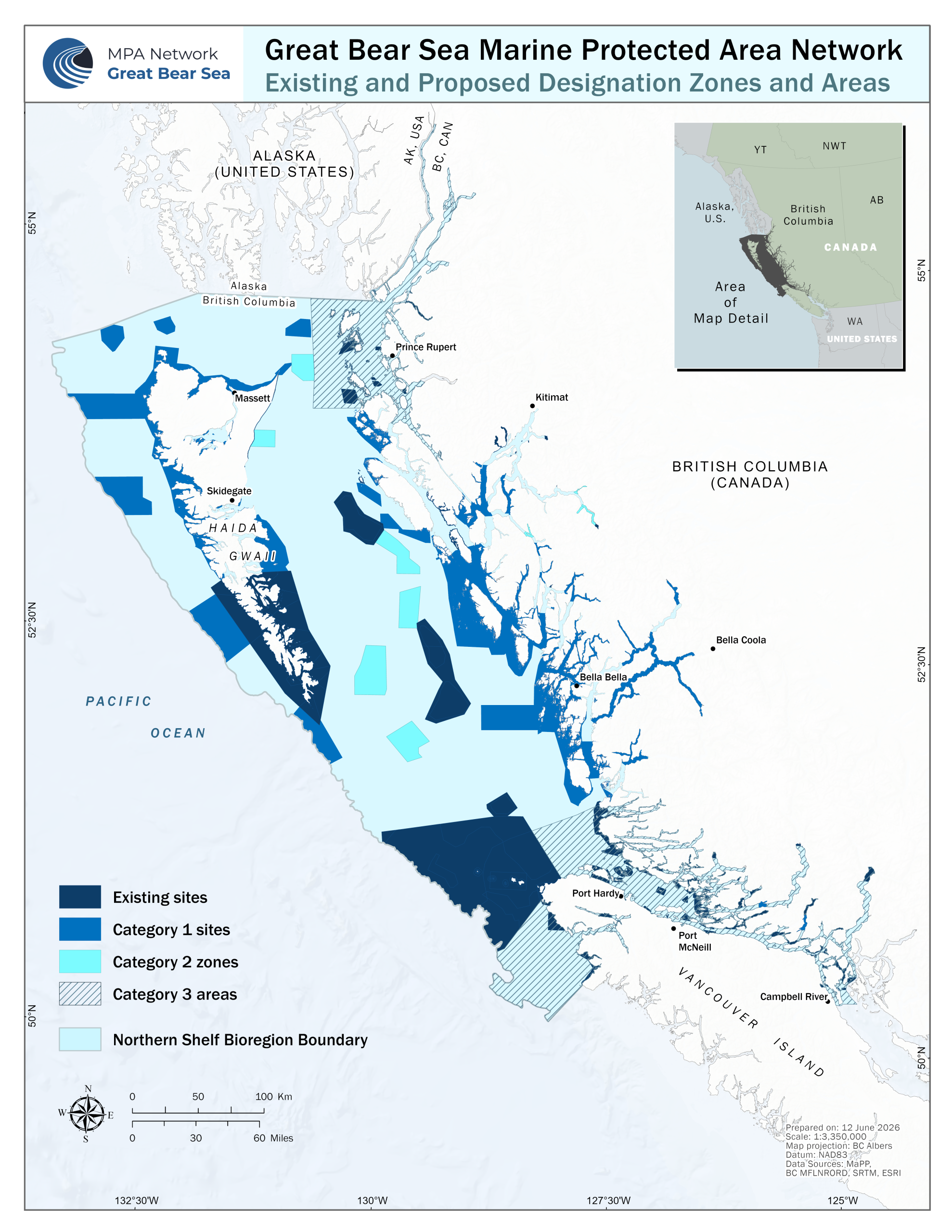
The Great Bear Sea MPA Network builds on existing conservation in the region and covers 30% of the Great Bear Sea/Northern Shelf Bioregion. View full map on Seasketch.
FAQ ➝
Learn more about the Great Bear Sea MPA Network.
Latest News and Stories
Scenario One Report
Good planning takes time and collaboration, which is exemplified in the Scenario One Report. Through iterative engagement with stakeholders and knowledge...
March 2026
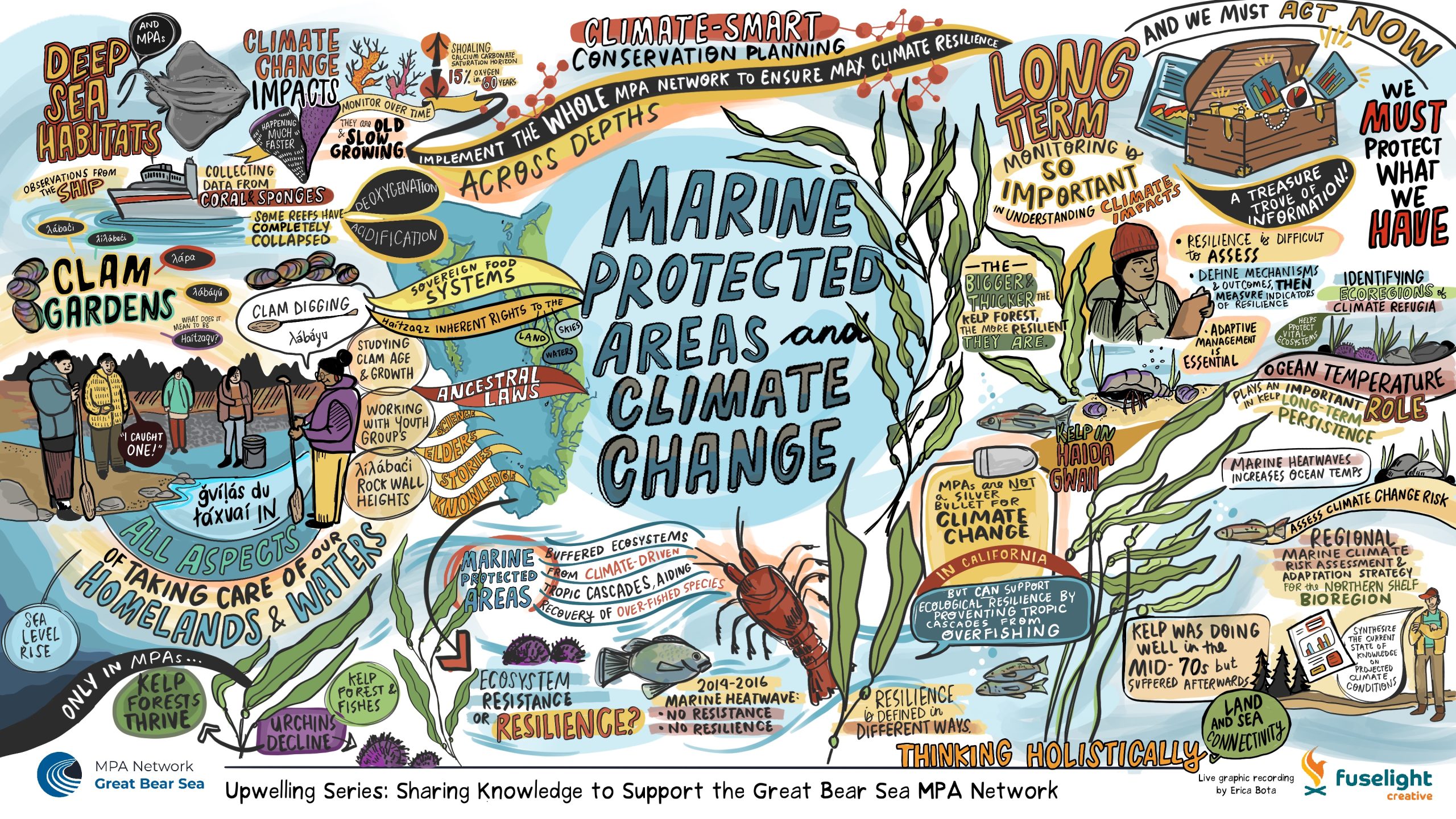
Upwelling Series: MPAs and Climate Change in the Great Bear Sea
In Sept 2025, the Network Partners co-hosted a webinar with our Knowledge Advisory Committee to share knowledge about how climate change affects ecosystems and communities in the Great Bear Sea.
February 2026
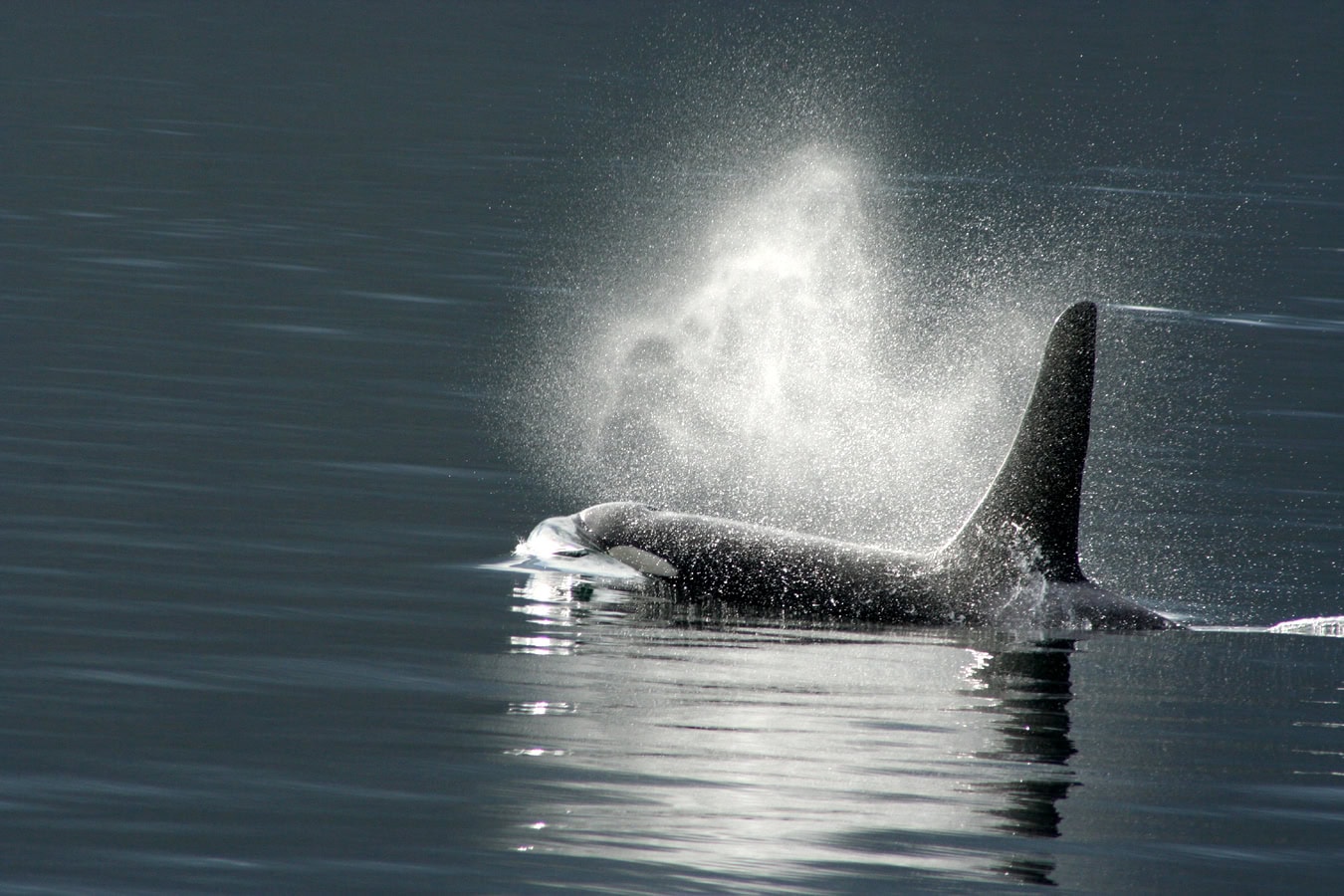
Network Year-two Implementation Progress Report
The partners continue to strengthen our governance structures and processes, with particular focus on advancing Network monitoring, integrating Network implementation with related initiatives, and improving our stakeholder engagement and public outreach.
June 2026
Goals
The Great Bear Sea MPA Network is the first of its kind in Canada, and the largest Indigenous-led, collaboratively governed MPA Network in the world.
This innovative initiative is built on decades of planning and consultation to design an approach that benefits people and nature through six goals.

Protect and maintain biodiversity

Contribute to social, community and economic stability

Conserve and protect fishery resources and habitats

Conserve and protect traditional use and cultural heritage

Maintain and facilitate tourism and recreation

Provide opportunities for scientific research, education and awareness
Stay Up To Date With Our Newsletter
Subscribe to our newsletter for the latest updates and insights delivered straight to your inbox.
By subscribing you agree to with our Privacy Policy and provide consent to receive updates from our company.
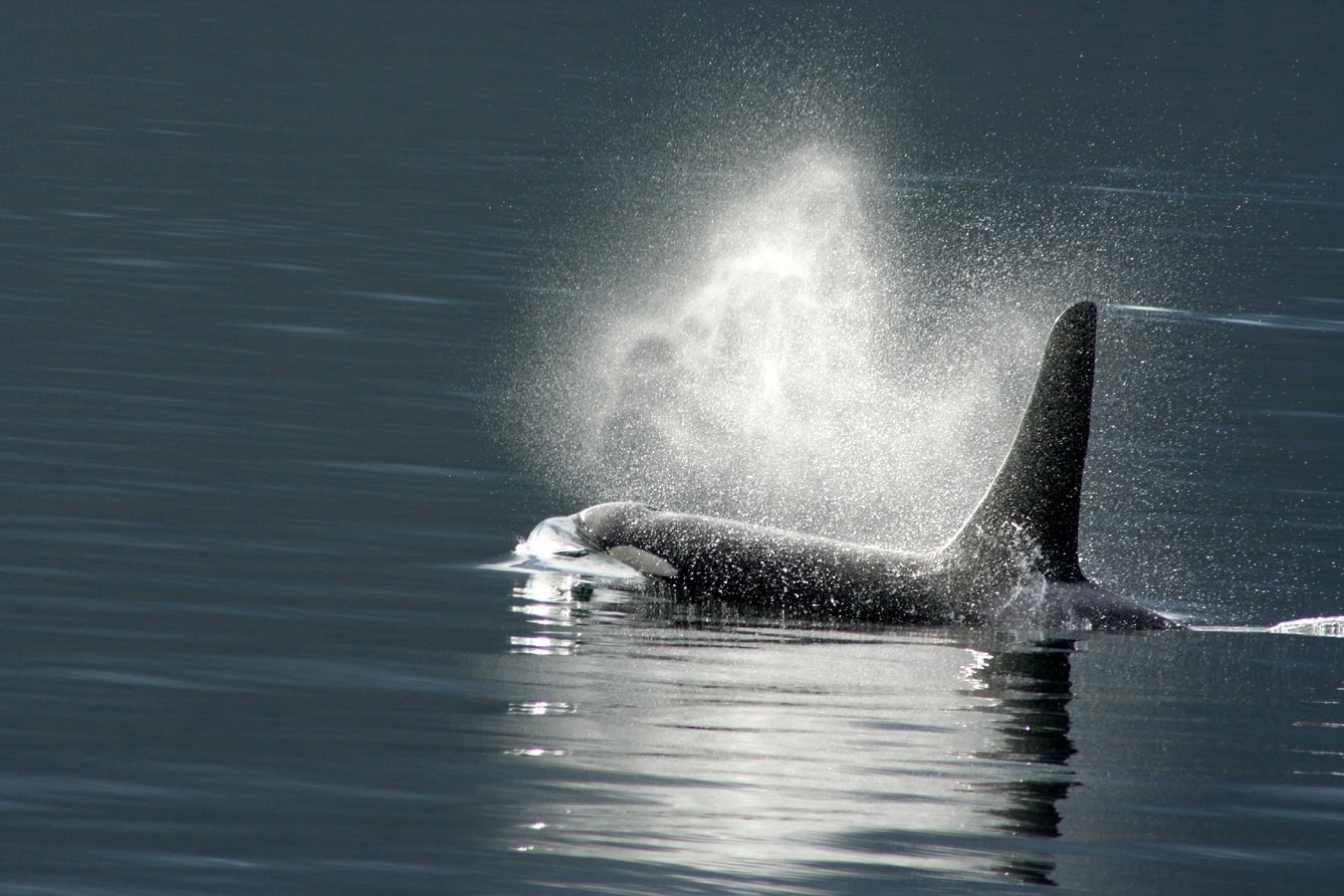
Photo by Charles Short