
MPAs
MPA Networks are shown to be very effective at promoting conservation and productivity.
Photo by Hannah Bregulla
What is an MPA?
A marine protected area (MPA) is a clearly defined geographical marine space designed to achieve the long-term conservation of nature by supporting healthy marine ecosystems, rebuilding fish and invertebrate populations, and promoting cultural values.
MPAs take a place-based approach to consider how different human activities affect the ocean. They can then limit certain harmful activities to keep the whole ecosystem healthy. This is done by recognizing how habitats, plants, animals and people are connected and depend on each other.
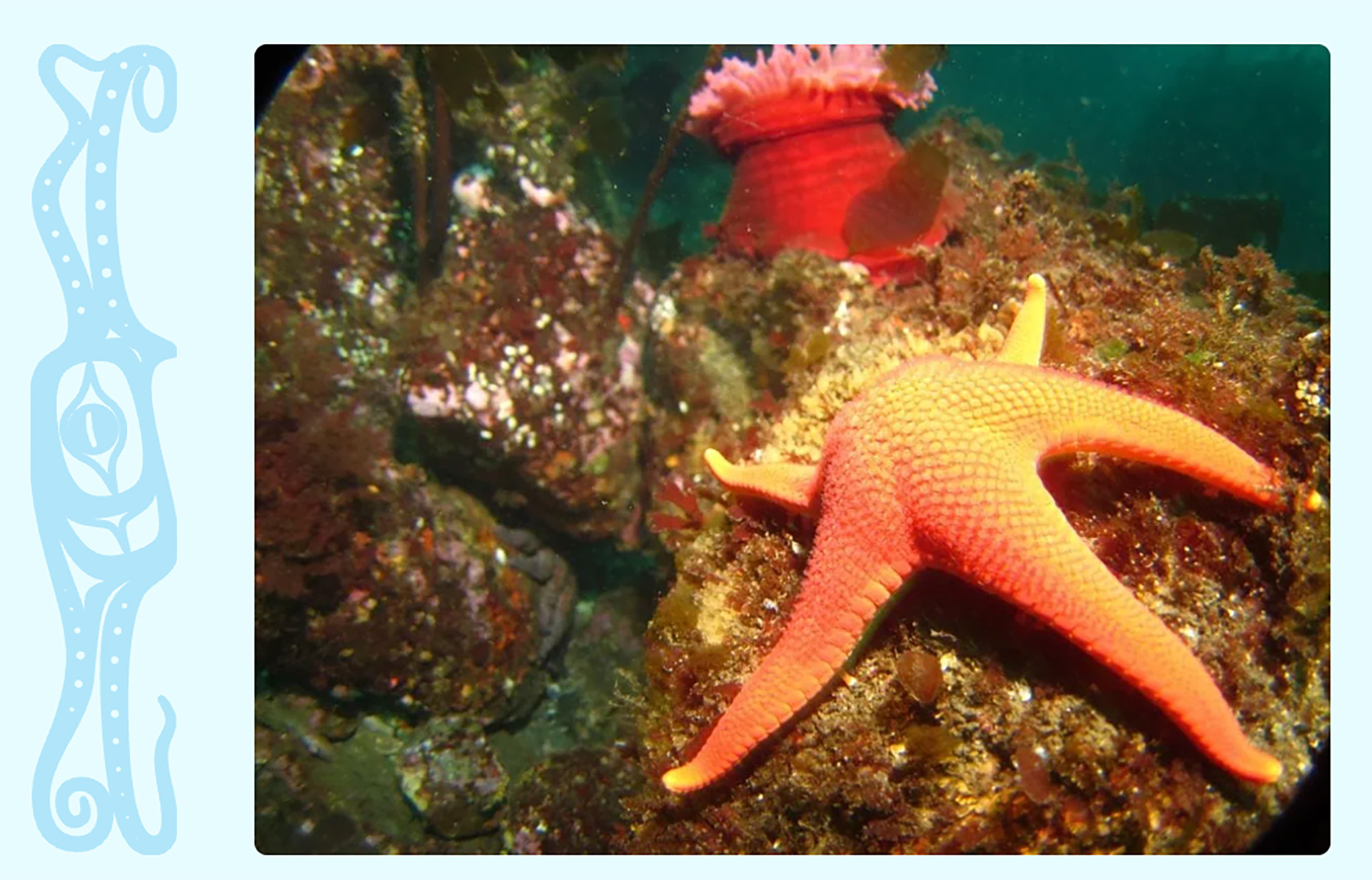
Photo by Doug Biffard
MPA Networks
When many MPAs work together across a larger area they are known as an ‘MPA Network’.
MPA Networks are shown to be very effective at promoting conservation and productivity, proven around the world to have a wide range of benefits.
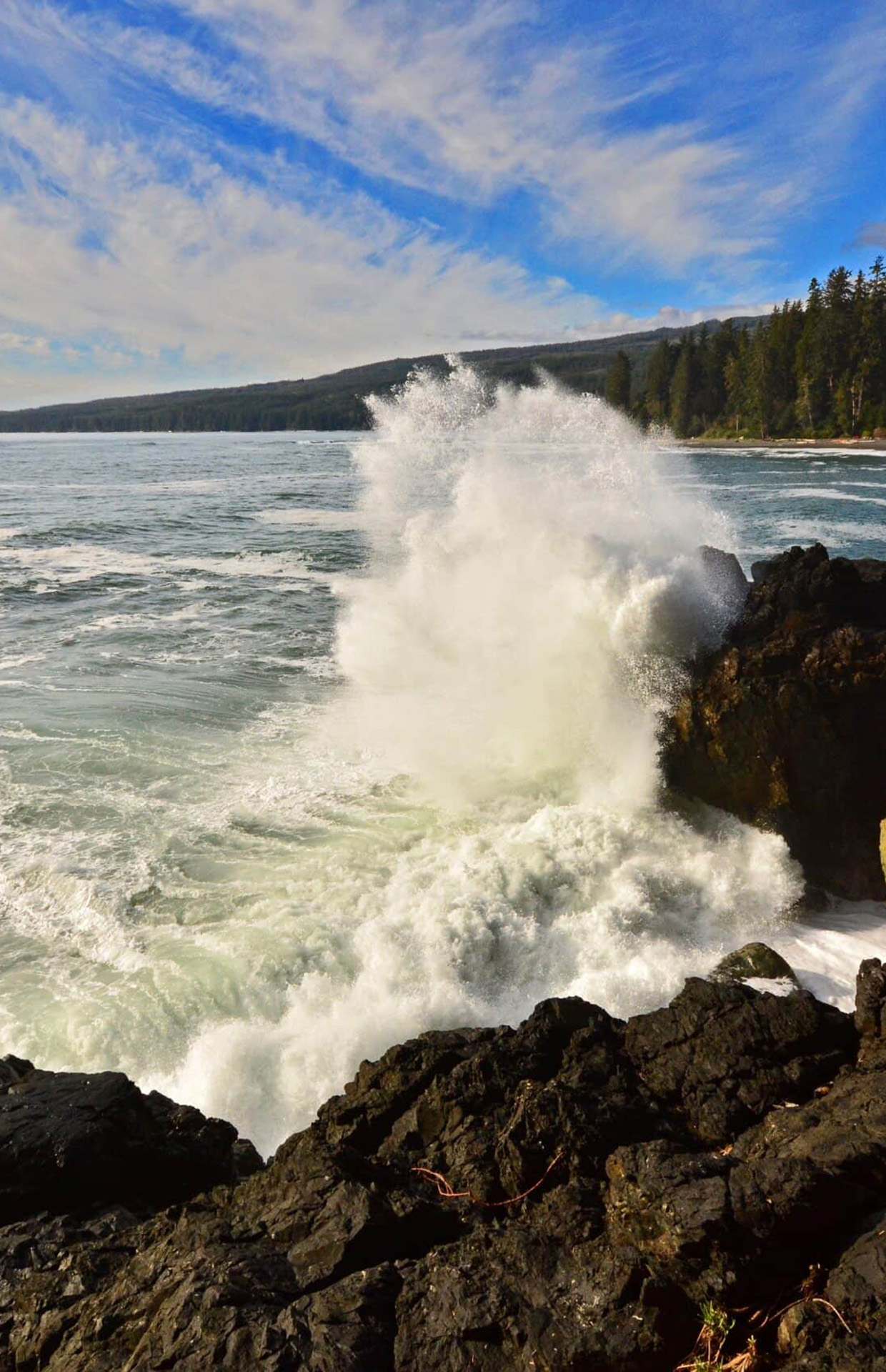
Photo by Iain Robert Reid
Boost marine species
MPAs are a proven way to support healthy ecosystems and marine species growth in number and size. For example, a study of 124 MPAs in 29 countries showed that MPAs have more marine life, with bigger and more diverse fish, invertebrates, and seaweed compared to areas outside the MPAs.
Protect coastal habitats
MPAs protecting coastal habitats help store carbon and keep it from being released into the atmosphere. This is important for fighting climate change.
Reduce human stressors
MPAs reduce stressors from direct human activities that can impact ecosystem health and delivery of benefits to communities. Reducing these human stressors can improve ecosystem health and resilience to climate change.
Provide climate refuges
As the ocean changes from climate change, some marine species move to new areas. MPAs can give them safe places to rest, feed and reproduce as they move.
Increase reproductive output
MPAs support large populations of marine species with greater reproductive output, making them less vulnerable to local collapse as climate stress increases.
Promote genetic diversity
MPAs promote genetic diversity, which enables populations to adapt more quickly to changing climates and makes them more resilient to disease.
Prevent carbon release
MPAs prevent the release of carbon from sediments disturbed by habitat-modifying fishing gear.
Safeguard apex predators
MPAs protect apex predators that provide increased stability to coastal habitats and support resilient ecosystems in the face of climate uncertainties.
Stability for sustainable industries
MPAs encourage a stable, biodiverse resources base for non-consumptive and sustainable consumptive activities and livelihoods including fishing, recreation and tourism.
Community wellbeing
MPAs increase the wellbeing of surrounding communities.
Social, economic, and cultural benefits of MPAs
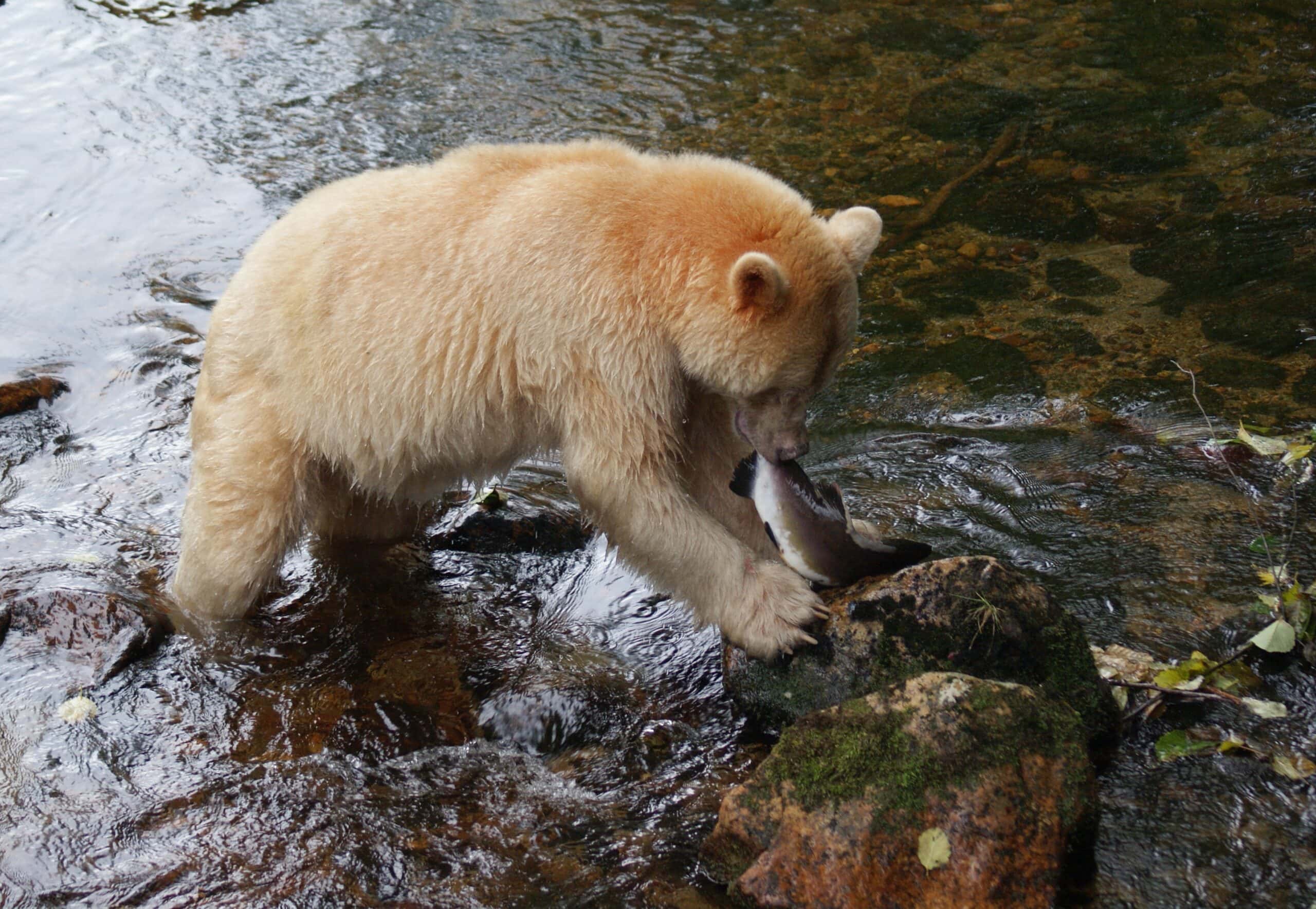
Encourage expansion of knowledge and understanding of marine ecosystems
Photo by Jennifer Thomson
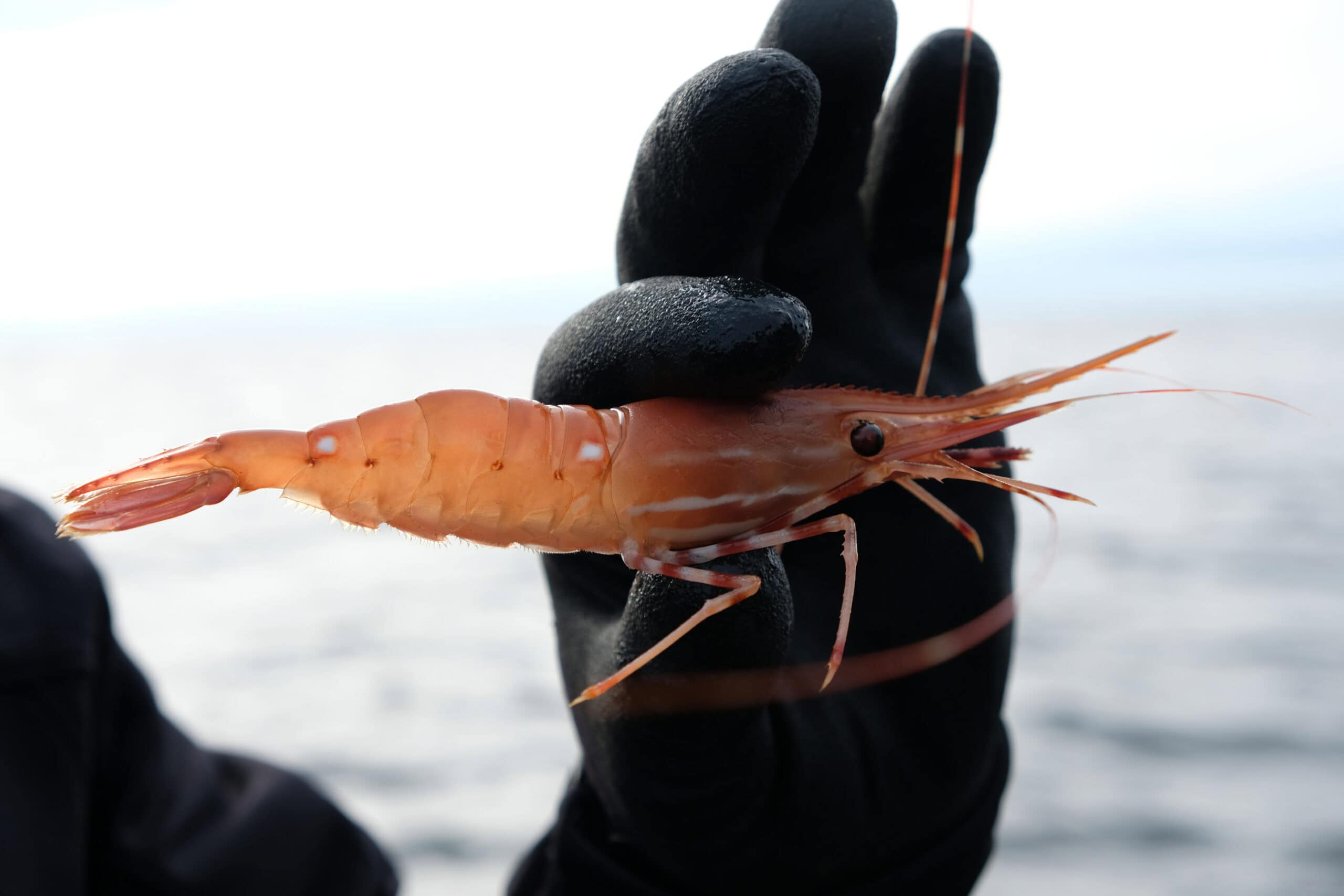
Contribute to ecosystem-based management of marine activities thereby promoting long term economic opportunities for sustainable use
Photo by Barb Dinning

Protect historical and contemporary culturally and spiritually significant areas
Photo by Charles Short
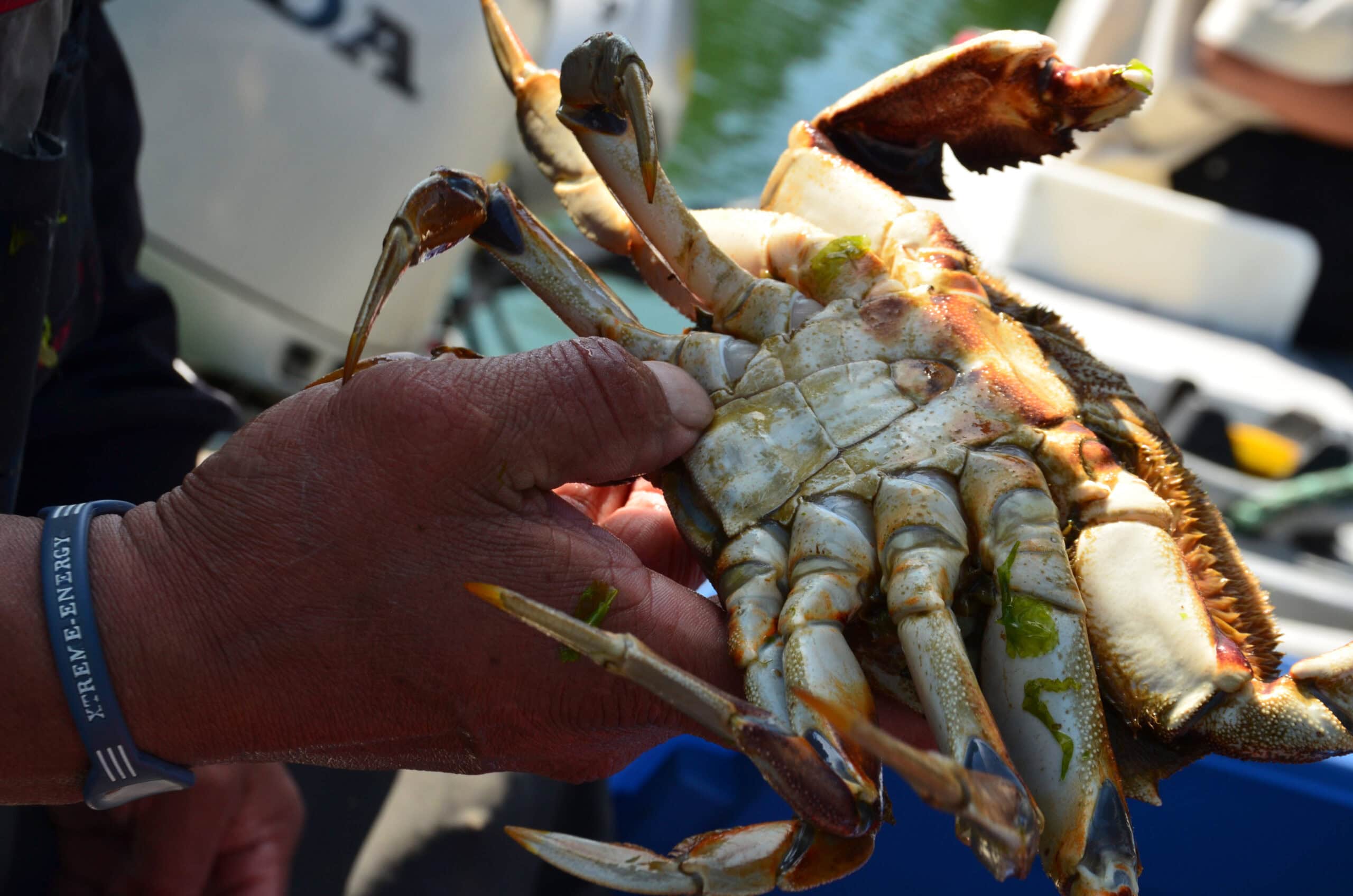
Support the continuance of First Nation governance, management systems, and harvesting practices
Photo by Caroline Butler
Stay Up To Date With Our Newsletter
Subscribe to our newsletter for the latest updates and insights delivered straight to your inbox.
By subscribing you agree to with our Privacy Policy and provide consent to receive updates from our company.
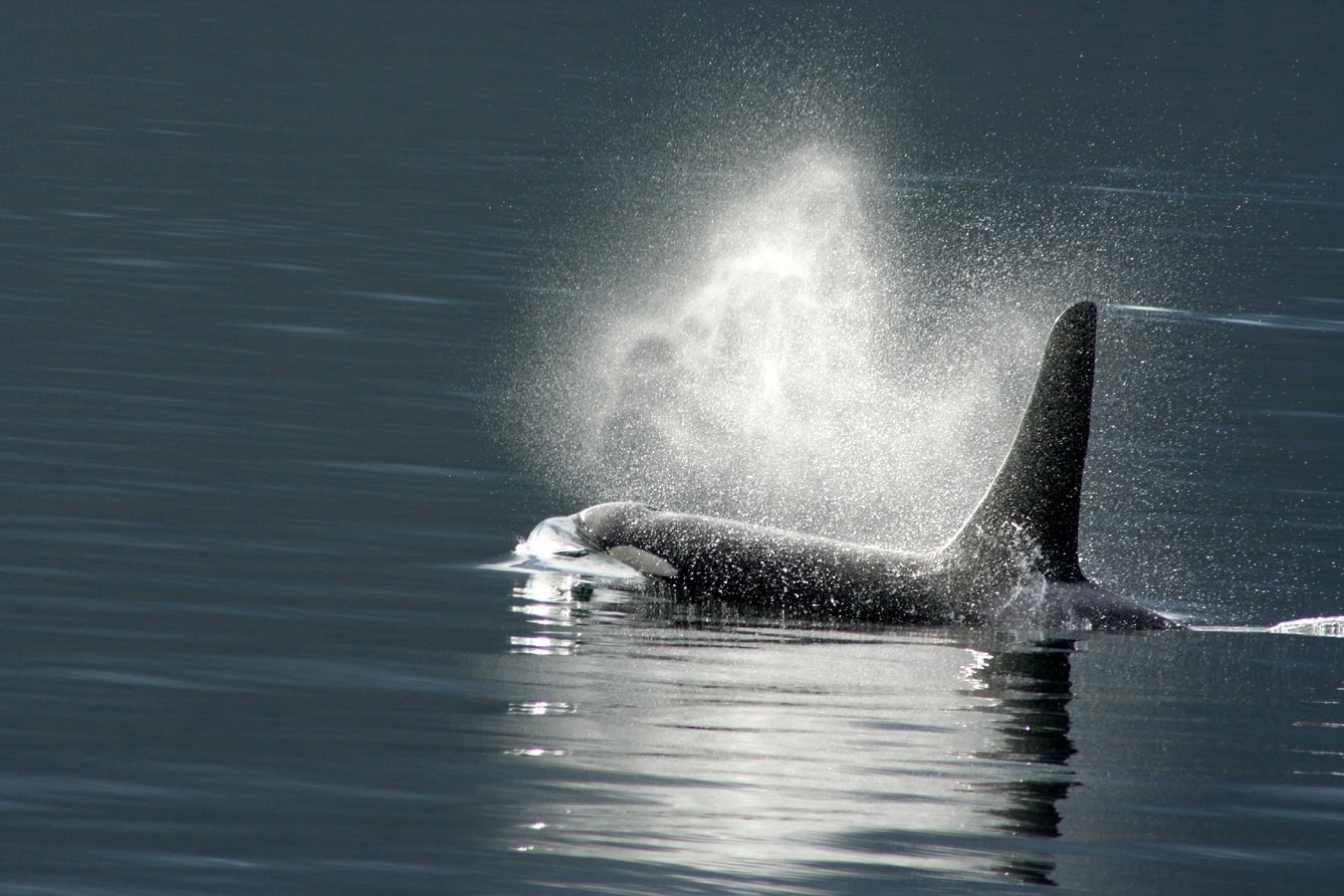
Photo by Charles Short