
Network Monitoring
Monitoring is the process of gathering and sharing information about how well the Network is meeting its goals and objectives.
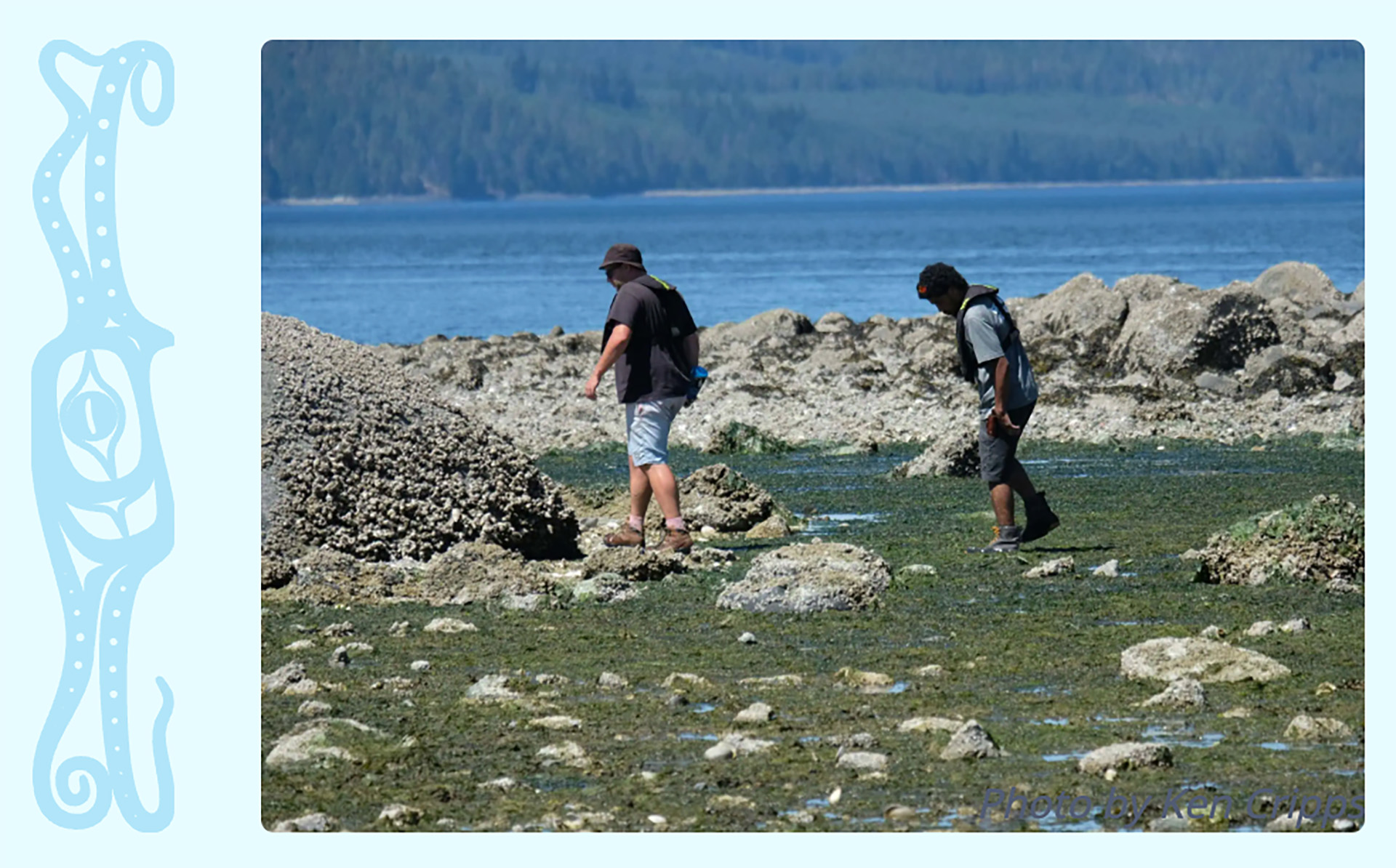
Photo by Barb Dinning
Telling the Network’s story through observation on the water.
Monitoring includes planning, gathering, analyzing, and sharing information with specific audiences (e.g., communities, stakeholders, decision-makers). A successful monitoring program will track Network effectiveness, enable collaborative and adaptive management, and demonstrate progress on conservation outcomes as the Network is implemented.
The Network partners have a three-fold approach to developing a Network monitoring program
Collectively, these three phases will form the foundation of the Network monitoring program, which is intended to exist in perpetuity. Network Partners, advisory committees, stakeholders, communities, and external collaborators will contribute actively to the development of the Network Monitoring Strategy and Plan and to the Network monitoring program as it is implemented.
Photo by Charles Short
Monitoring Framework
The Framework articulates Network monitoring goals and objectives, guiding principles and core elements that will shape Network monitoring, and roles and responsibilities and funding structures to enable Network monitoring. The Framework also outlines a roadmap and technical recommendations to advance Network monitoring planning and implementation, including workflow, indicator selection, and sampling design processes.
Monitoring Strategy
The Strategy will expand upon the Framework by describing what will be monitored and why. This will include identifying guiding questions, indicators, and management levers to shape Network monitoring.
Monitoring Plan
The Plan will articulate details associated with who will conduct what monitoring activities where, when, and how (i.e., the methods). The Plan will be an evergreen document that is adapted through time.
About the Great Bear Sea SeaSketch Portal
The Great Bear Sea SeaSketch Portal is an interactive mapping tool that is co-managed by the Marine Plan Partnership (MaPP) and Great Bear Sea Marine Protected Areas Network (the 'Network'). Through the SeaSketch portal, MaPP and the Network can increase awareness and access to spatial data and planning tools associated with the Great Bear Sea. SeaSketch allows users to look at hundreds of different data layers, including administrative boundaries, species, habitats and marine uses.
The portal displays information and provides tools (e.g., discussion forums, reports) that facilitate the implementation of marine spatial plans and marine protected areas. Data and tools within SeaSketch can inform strategies to avoid spatial conflicts between marine uses and activities, and to maintain the integrity of marine ecosystems and culturally important species and places.
Explore the Great Bear Sea SeaSketch Portal
Visit the Great Bear Sea SeaSketch Portal to get an idea of how we use this tool. You can explore the many data layers to learn about the ecological and human uses and activities.
You can use the portal to:
- View spatial data layers from ecological, social, cultural, economic and administrative themes;
- Create reports and print high quality maps that summarize data layers and features in customized areas;
- Inform marine planning; and
- Access metadata and raw spatial data (where openly accessible)