
Benefits & Impacts
The MPA Network is designed to deliver many ecological, social, economic, and cultural benefits.
Photo by Charles Short
Benefits for People and Place
Led by 17 coastal First Nations in partnership with the Province of British Columbia and the Government of Canada, the MPA Network is designed to deliver many ecological, social, economic, and cultural benefits. We aim to protect and conserve ecosystems and cultural values, enable sustainable marine economies, improve food security, and help mitigate and adapt to the effects of climate change.

Photo by Ken Cripps
Species & Habitats
The Great Bear Sea MPA Network aims to meaningfully and respectfully weave western, local, and Indigenous knowledge systems to protect, conserve and restore the species and habitats we know and love, including:
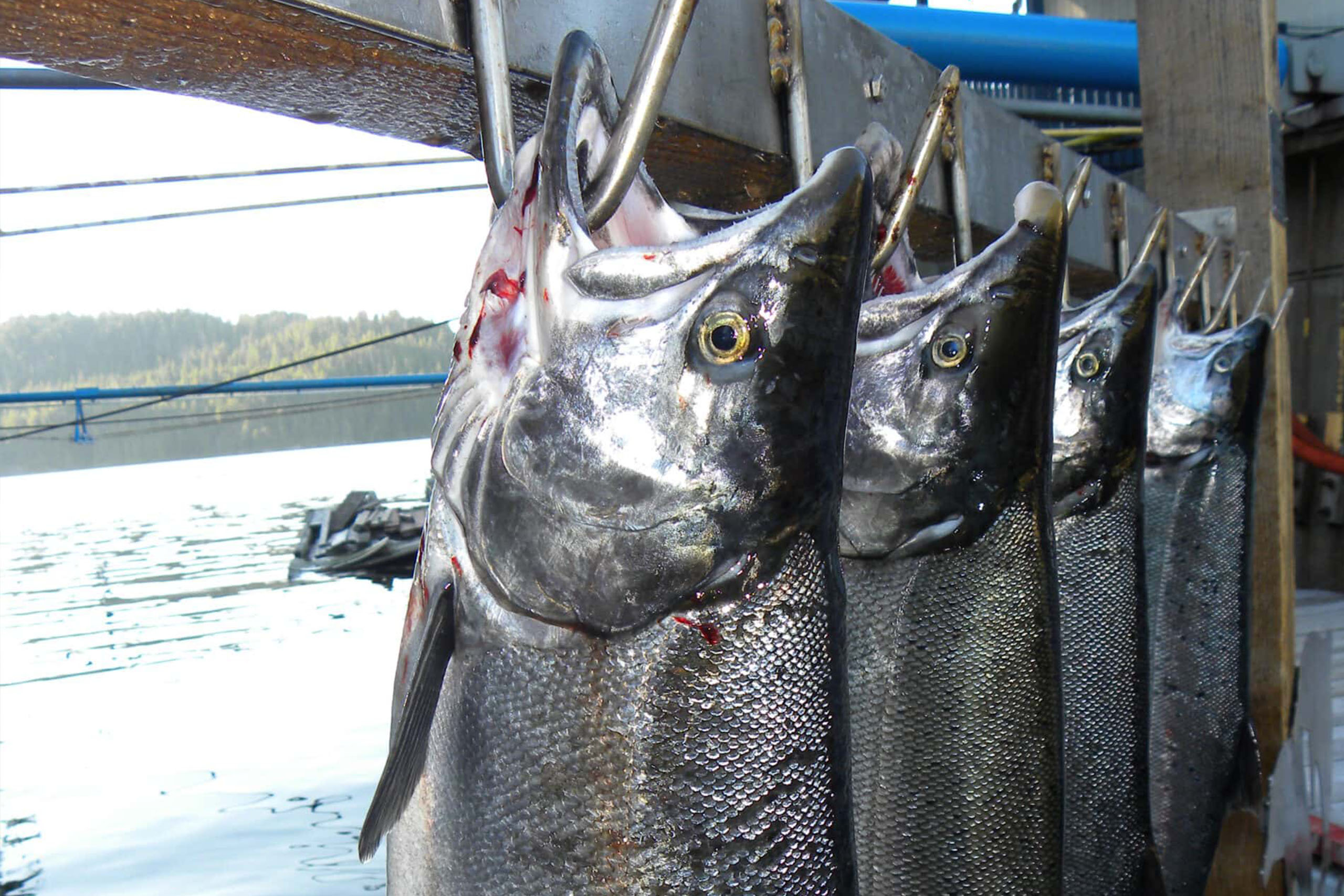
Salmon
Photo by Ken Cripps
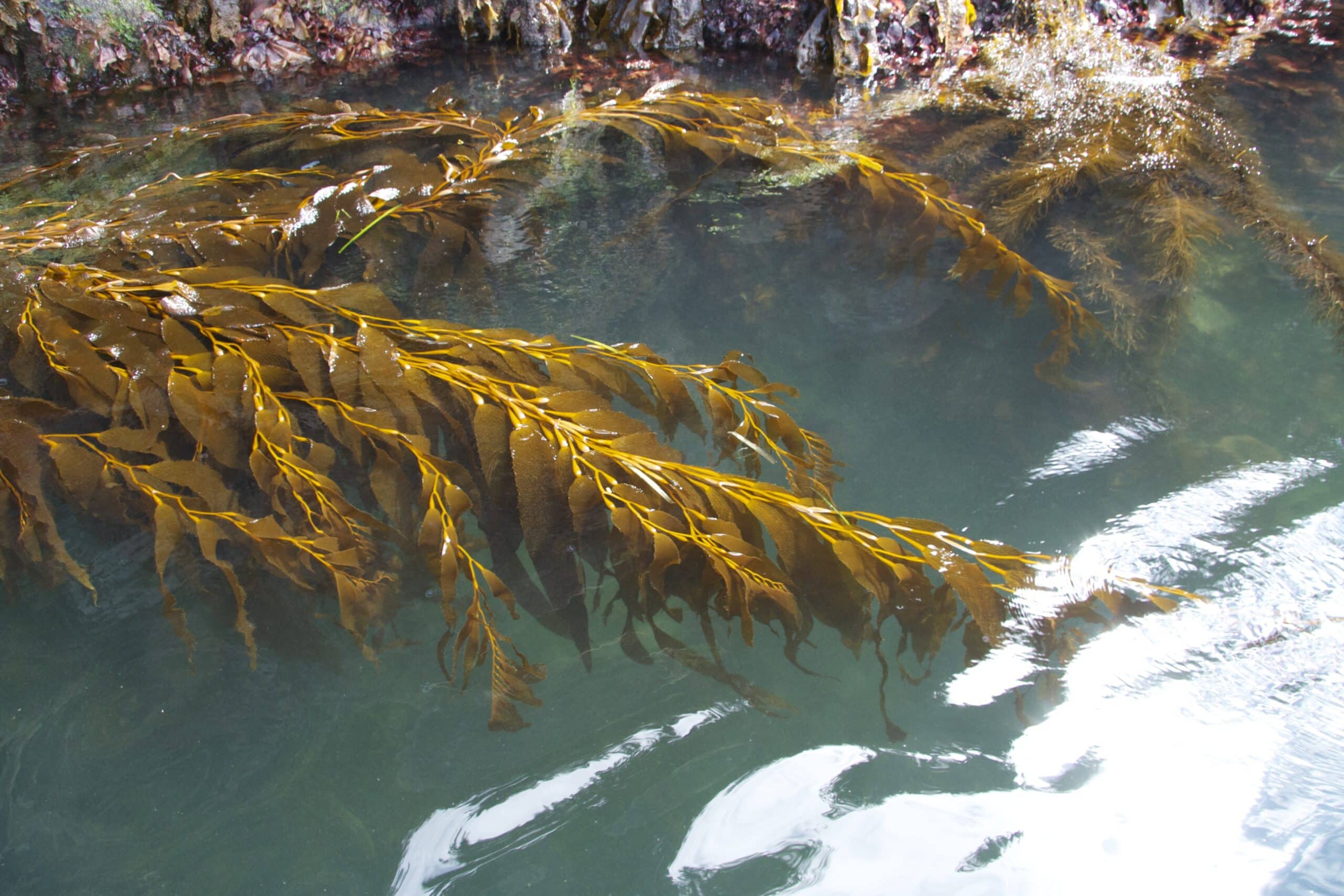
Giant kelp
Photo by Charles Short
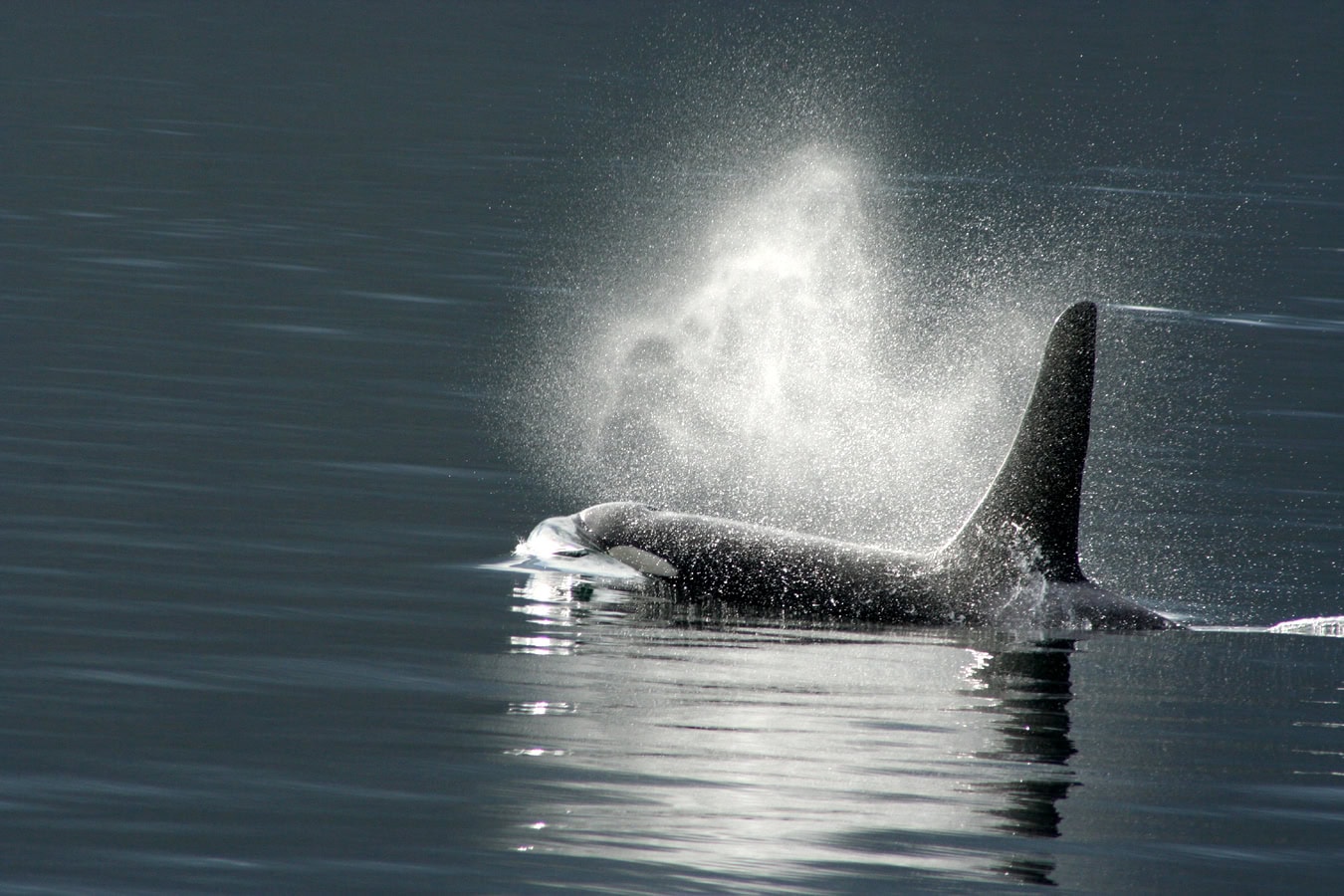
Orcas
Photo by Charles Short
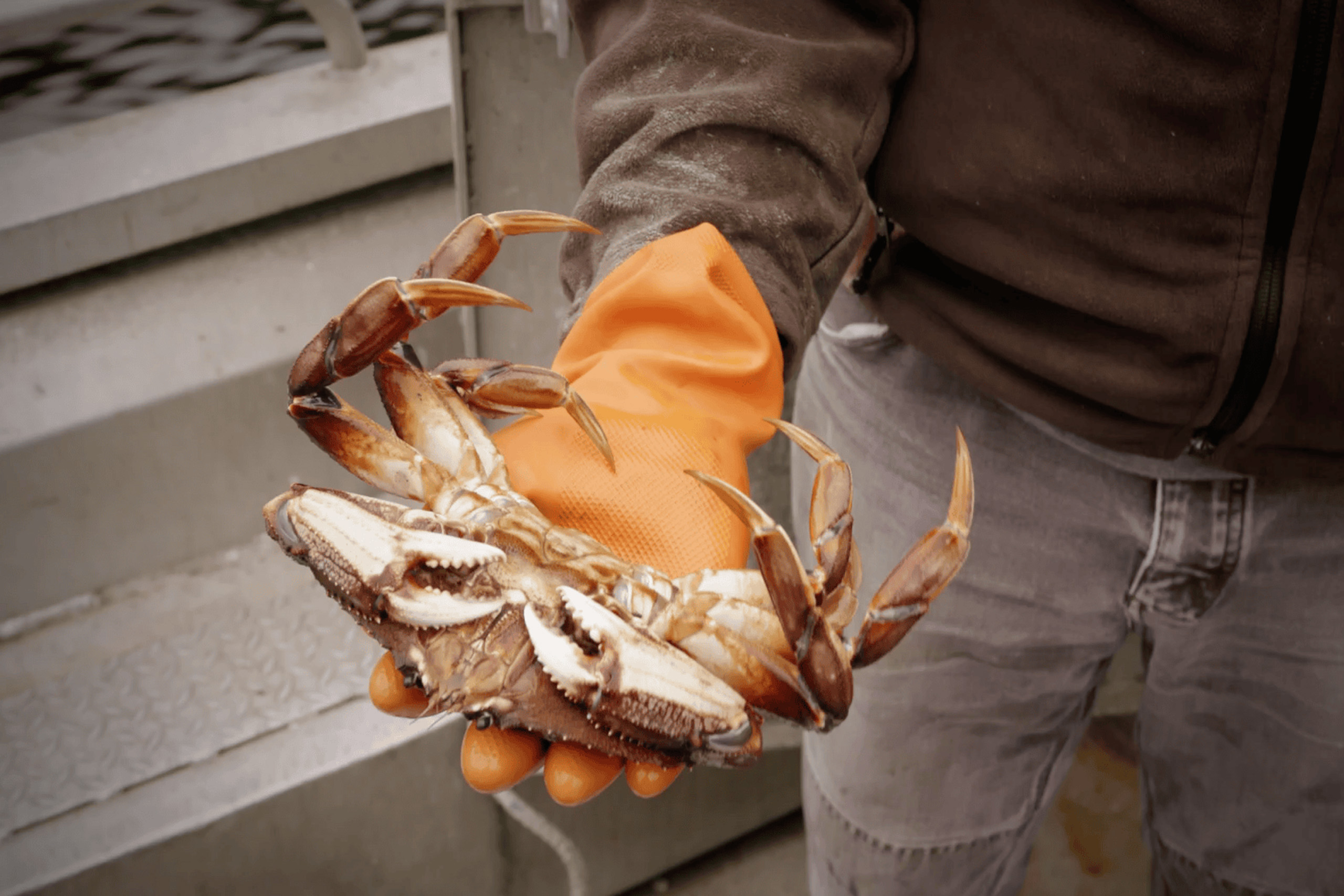
Dungeness crab
Photo by CFN-GBI
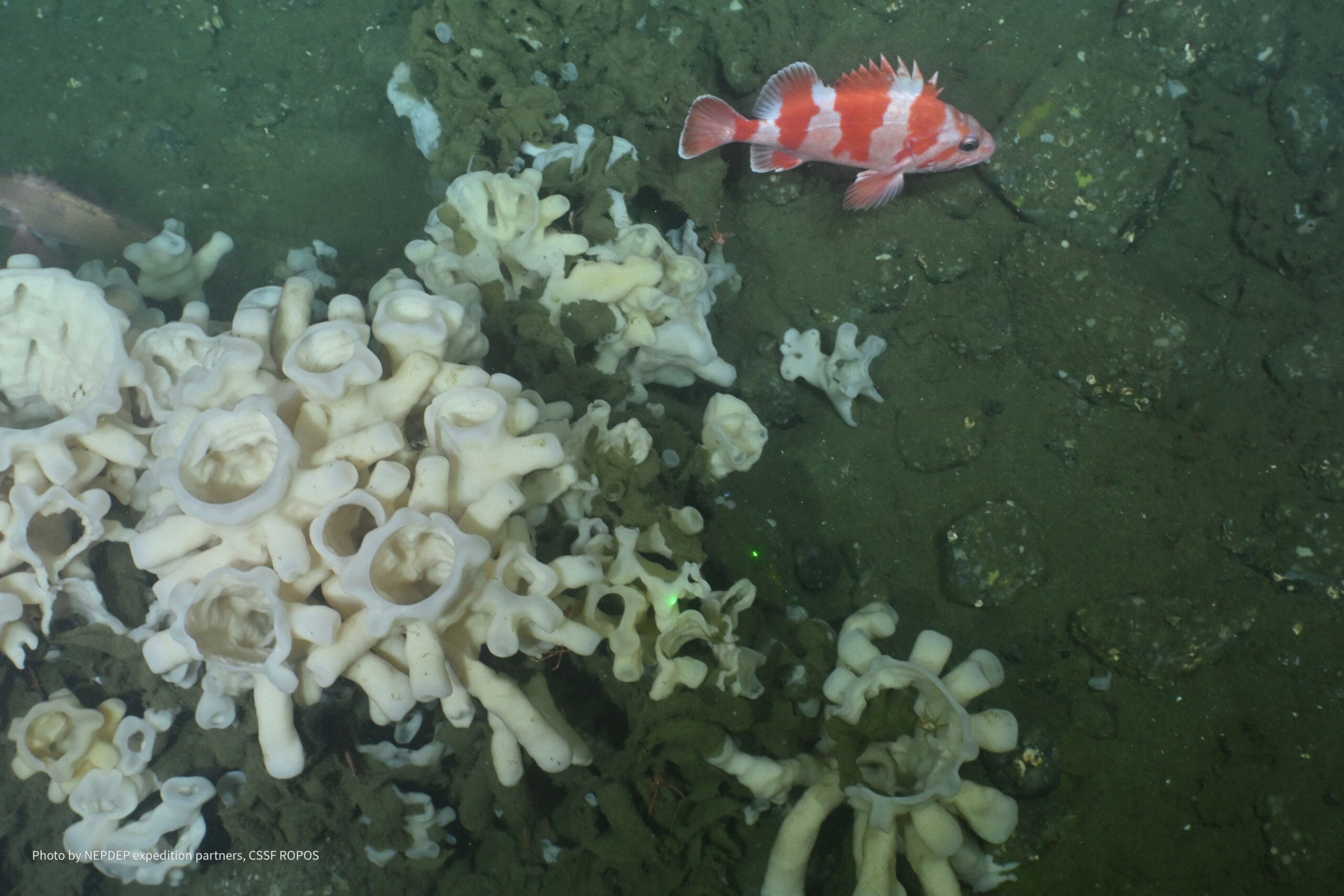
Glass sponges
Photo by NEPDEP
More species that will benefit from the MPA Network can be found here.
People
The Great Bear Sea is important for people too.
The coast and the bountiful marine biodiversity are the foundation of coastal communities providing cultural, economic, and recreational opportunities that people depend upon for their wellbeing and livelihoods.
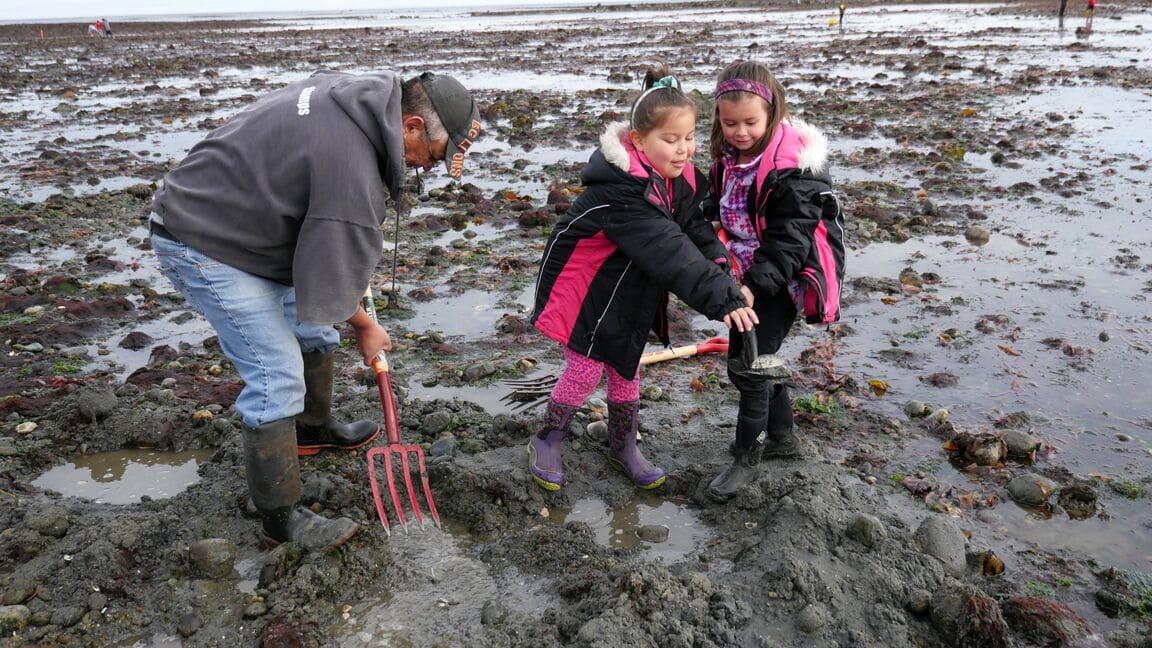
The Great Bear Sea MPA Network has been home to First Nations for millennia and provides the basis for unique cultural identities. First Nations’ cultures and communities are inextricably tied to the marine environment, a relationship that has been sustained by following principles, such as respect and connectedness of all living things and the ecosystems that surround them, and by the need to ensure balanced use, reciprocity, and sharing of resources. Using this intimate knowledge of local environments, First Nations are leading the way to restore abundance and balance to the ecosystems that support us.
Benefits
MPA Networks are shown to be very effective at promoting conservation and productivity, proven around the world to have a wide range of benefits.
Improved abundance and biodiversity
MPAs encourage abundance and diversity of marine life, creating thriving ecosystems that support activities and livelihoods including fishing, recreation and tourism. A study of 124 fully protected MPAs in 29 countries showed that MPAs have more marine life, with bigger and more diverse fish, invertebrates, and seaweed compared to areas outside the MPAs. This is because of factors like reduced human pressures, the protection of important coastal habitats and the creation of refuges that allow marine life to rest, feed and reproduce. These conditions make it possible for marine life to thrive, leading to greater abundance of older fish and invertebrates that produce exponentially more offspring. This also supports populations of apex predators like orcas, which promotes stable food webs and reduces the impacts of invasive species, which can lead to increased stability to coastal habitats.
A review of studies on 124 marine reserves located in 29 different countries found that, on average, these protections have led to a 21% increase in the number of species (diversity) a 28% increase in the size of organisms, 166% increase in the density (# of individuals per area), and a 446% increase in total biomass compared to unprotected areas (Lester et al. 2009).
Stable fisheries, thriving livelihoods, strong communities
MPAs can reduce the likelihood and severity of sudden species declines, either driven by climate change or other human stressors, which can greatly impact local fisheries and economies. By reinforcing populations in fished areas through species spillover or reducing the level of stress on activities within their borders where fisheries will continue, MPAs can improve the predictability of fisheries catch and revenue and reduce uncertainty in pre-season planning and investment.
Case Studies:
- Spatial closures within the Central Coast of B.C. have led to increases in abundance and size of some species of rockfish and Dungeness crab. Most notably, Yelloweye Rockfish were 21% larger inside than outside of closures (Frid et al 2016), while legal-sized Dungeness Crabs were 108% more abundant and 6.2% larger within protected areas when compared to outside regions (Frid et al. 2016).
- A 35% reduction in fishing area for lobster harvesters resulting from MPA designation in California was compensated for by a 225% increase in total catch after 6 years (Lenihan et al. 2021).
- Following the expansion of the Papahānaumokuākea Marine National Monument (PMNM) and the Pacific Remote Island Marine National Monument (PRI) in 2016, total revenue, catch, and CPUE for the regional longline fleet targeting Yellowfin Tuna have all increased. This is despite fears that potential losses would translate to approximately $30M annually across Hawaii’s seafood supply chain and doubts of the effectiveness of spatial protections for migratory species.MPAs also offer opportunities for diversified employment opportunities in coastal communities through the expansion of sustainable marine sectors, including employment in education, training, and stewardship or roles in MPA management and monitoring. Increased demand for access and enjoyment of MPAs can also increase the revenues and employment opportunities for local communities through eco-tourism ventures or the development of entirely new businesses to support growing public interest in these areas.
Food access and security
When designed to protect species that are critical food sources for coastal communities, MPAs can lead to increased size and abundance of these species, improving the consistency of local food access and health outcomes.
Improved knowledge and understanding of key marine ecosystems
Network establishment will lead to new opportunities and partnerships to raise environmental awareness through education about local ecosystems, habitats, and species. These activities will better enable community members to understand and care for their local environments.
First Nations governance and cultural and spiritual protection
MPAs support the continuance of First Nation governance, management systems, and harvesting practices. By better enabling Indigenous-led conservation and stewardship within traditional territories and conserving cultural keystone species, the Great Bear Sea MPA Network will contribute to the continuity of practices at the core of culture and identity of First Nation partners.
Community involvement and connection to the coast
Local communities will have many ways to get involved in the Great Bear Sea MPA Network. These opportunities will help people connect with nature, share knowledge, and learn about local ecosystems—both now and for future generations. New advisory groups will also be created to help guide how the area is managed and monitored. This will make it easier for communities to take part in decision-making and lead to better, more meaningful outcomes.
Impacts
The Great Bear Sea MPA Network aims to maximize conservation outcomes and economic opportunities.
To minimize impacts to existing industries, partners used a wealth of socio-economic data during planning and development of the MPA Network to reduce overlaps with existing activities. Partners also engaged directly with many stakeholders throughout the Network planning process.
Potential impacts on commercial fishing in the Great Bear Sea MPA Network are being considered with great care. An FAQ and more information can be found here.
Quick Facts
➝ The MPA Network protects more than just fish and considers a whole ecosystem approach that will benefit all who live there, from kelp to fish to whales to humans.
➝ The MPA Network is being created by the coast, for the coast. Input from the commercial fishing industry continues to be sought.
➝ There are several examples of improved yields and economic benefits to fisheries adjacent to a marine protected area.
➝ The MPA Network is attracting new opportunities that will provide long-term, sustainable economic drivers in industries like eco-tourism and more, to help support an ecologically sustainable coastal economy.
More Information
Find more information about the socio-economic overview of the MPA Network and stakeholder engagement.